Goodbye, Crunch: America Has Gone Completely Soft (And We Mean That as a Compliment)
Something seismic has happened to the American dessert plate, and it has nothing to do with flavor. Across the country, dessert lovers are quietly — then loudly — abandoning the satisfying snap of a wafer cone or the shattering crack of a crème brûlée crust in favor of textures that feel more like a hug than a handshake. Welcome to the age of soft everything, and spoiler: nobody's going back.
The numbers don't lie, and neither do the dessert cases. Pillowy mochi, cloud-like Japanese milk bread, jiggly Basque cheesecake, whipped ricotta piled so high it looks structurally irresponsible — these aren't fringe menu items anymore. They're the headliners. Crunchy desserts haven't disappeared, but they've been quietly demoted to supporting roles, like the sidekick who's great but never quite gets the poster.
So what exactly happened? And more importantly, why?
The Great Texture Pivot
Dessert trends don't shift in a vacuum. They reflect something deeper about how we're feeling as a culture — what we need, what we're craving, what we're running from. And if you look at the timeline, the great American pivot toward softness tracks almost perfectly with the years when the entire country collectively needed a very long nap.
Post-pandemic food psychology is a real field, and researchers who study eating behavior have noted a significant uptick in what they call "comfort-seeking consumption" — basically, people reaching for foods that feel emotionally safe. Soft, yielding textures register in the brain as gentle, nurturing, low-stakes. Biting into something that squishes back at you is, neurologically speaking, a tiny act of reassurance. Crunchy textures, on the other hand, activate a mild alertness response. Great for chips at a party. Less great when you're stress-eating at 10 p.m. in your pajamas, which, let's be honest, became a national pastime.
This isn't just armchair psychology. Dessert shop owners across the US have watched it play out in real time at their counters.
What the People Behind the Counter Are Seeing
Talk to anyone running a dessert shop right now, and a pattern emerges fast. The items flying out the door aren't the ones with the most dramatic crunch or architectural complexity. They're the ones that look soft, feel soft, and deliver on that promise with every single bite.
A soft-serve shop owner in Austin, Texas, described the shift as almost overnight. "We introduced a whipped cream cloud topping — basically just a stabilized, extra-airy whipped cream mounded on top of our soft-serve — and it outsold everything else within two weeks. People would literally take a photo before eating it just to show how fluffy it looked." The crunch-based competitors on the menu? Still there. Still good. But decidedly not the stars of the show.
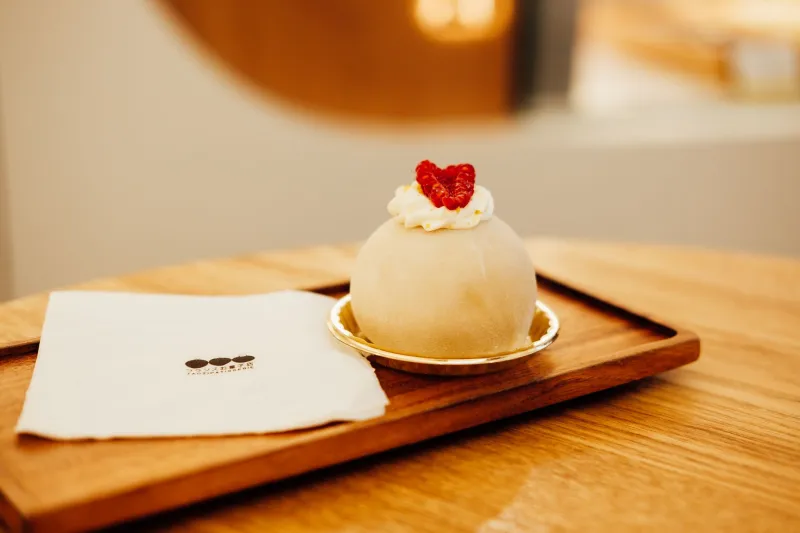
In Chicago, a Japanese-inspired dessert café that specializes in mochi and dorayaki (those soft, pancake-like sandwiches filled with sweet fillings) reports that customers frequently describe their purchases using words that have nothing to do with taste. "Comforting." "Gentle." "Like being wrapped in something warm." That's not a flavor review. That's a feelings review. And feelings, it turns out, sell.
Over in Los Angeles — a city that has always had its finger firmly on the dessert pulse — whipped, mousse-style ice cream formats have surged in popularity at Korean-style dessert shops and indie creameries alike. The appeal, owners say, is almost entirely textural. Customers will wait 20 minutes for something that melts on contact with their tongue. Nobody's waiting 20 minutes for a biscotti.
The Wellness Connection Nobody Expected
Here's where it gets genuinely interesting: the softness trend has found an unlikely ally in wellness culture. For years, the wellness and indulgence spaces were basically at war. Treat yourself vs. take care of yourself. Dessert vs. discipline. But soft, pillowy textures have managed to sneak into both camps simultaneously.
Part of this is the rise of "mindful eating" rhetoric, which emphasizes slowing down and actually experiencing food rather than just consuming it. A dessert that melts slowly, that yields and gives way gradually, that requires you to pause and pay attention? That's practically a meditation session. Try being mindful while aggressively chomping through a biscotti. It's very hard.
There's also the matter of portion perception. Whipped, airy textures create volume without necessarily adding density. A cloud of whipped cream or a puffed mochi feels generous, even abundant, in a way that a dense, crunchy cookie might not — even if the actual caloric content is comparable. This isn't a health claim; it's a psychology one. Soft desserts feel indulgent without always feeling heavy, and that sweet spot is exactly where modern dessert lovers want to live.
What This Means for the Dessert Menu of the Future
If you're a dessert shop owner still betting big on rigid structure, this might be the moment to hedge your bets. The market signals are pretty clear: texture innovation is happening almost entirely in the soft, yielding, pillowy direction right now.
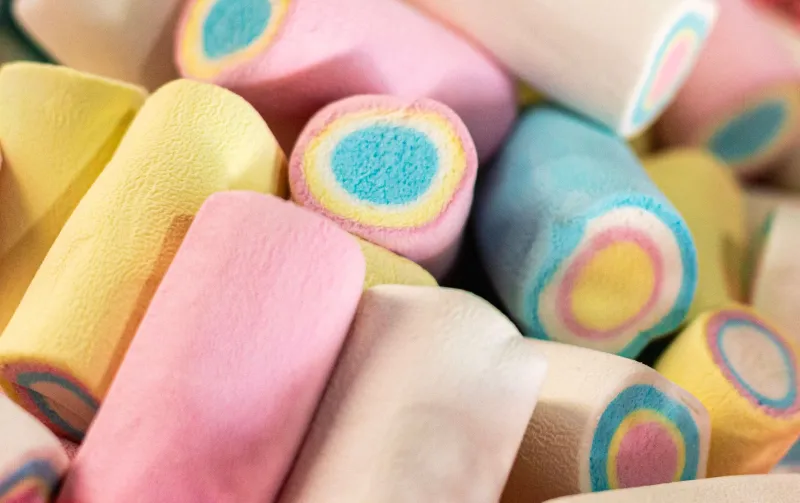
Mochi ice cream continues its march toward full mainstream dominance. Soft-serve formats are expanding into flavors and toppings that emphasize creaminess over contrast. Whipped, mousse-style, and cloud-inspired desserts are popping up on menus from Portland, Maine to Portland, Oregon. Even traditional American comfort desserts — your banana puddings, your bread puddings, your tres leches cakes — are having a serious moment, almost certainly because they've always prioritized that soft, yielding, please-just-let-me-rest energy.
The crunch isn't dead. It's just... resting. And honestly, given everything, can you blame it?
The Squish Is Here to Stay
At Squishy Cream, we've always believed that the best dessert is the one that makes you feel something — ideally joy, ideally immediately, ideally with minimal structural integrity. The cultural shift happening right now in American dessert preferences isn't a blip or a quirky food trend that'll vanish by next summer. It's a genuine recalibration of what we want from our sweet moments.
We want softness. We want give. We want desserts that don't fight back.
In a world that has spent the last several years being pretty aggressively crunchy in all the wrong ways, choosing a dessert that yields gently under your spoon might just be the most radical act of self-care available for under ten dollars.
Now go find something pillowy and eat it with absolutely zero apologies.