Eat It Now or Cry Later: The Ruthless Science of Dessert's Perfect Moment
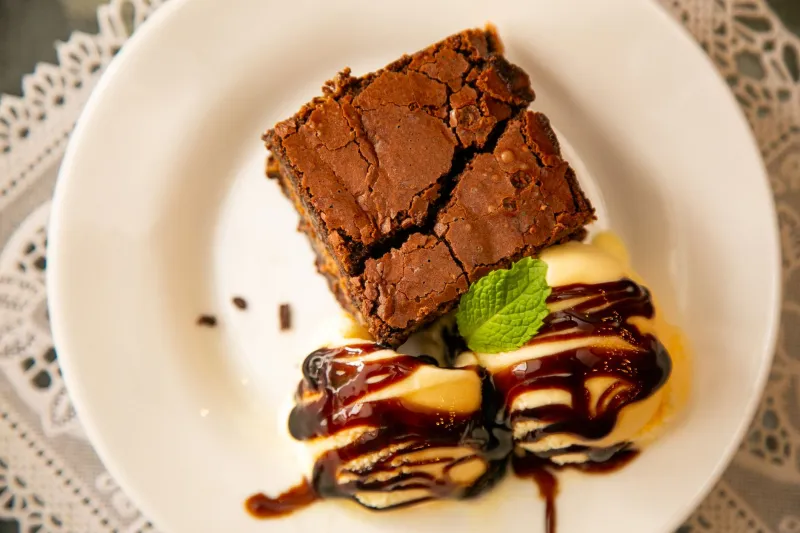
You ordered the molten lava cake. You set it down to take a photo. You adjusted the lighting. You switched filters. You posted. And by the time your fork hit that gorgeous chocolate dome, the lava had given up and gone home.
This is not a minor inconvenience. This is a tragedy with a scientific explanation.
Every dessert — every single one — has what food scientists are quietly calling a "peak texture window." It's the brief, beautiful stretch of time during which a treat achieves its intended squish, bounce, ooze, or melt. Miss it, and you're not eating dessert anymore. You're eating the memory of dessert. And memories, delicious as they are, don't have the same mouthfeel.
The Clock Starts the Second It Leaves the Kitchen
Here's the uncomfortable truth: the moment your dessert is plated, it begins its slow, sad transformation into something less magical. Heat dissipates. Moisture migrates. Crystallization creeps in. Proteins firm up. The very forces that made your treat a textural masterpiece start working against it the instant it hits the air.
Dr. Linda Okafor, a food texture researcher at a Midwestern university who has spent an alarming (and admirable) amount of her career poking desserts, puts it bluntly: "Most people eat dessert about two to four minutes past its optimal window without even realizing it. They think the texture is just 'fine.' But fine is the enemy of magnificent."
Fine is the enemy of magnificent. We're putting that on a bumper sticker.
The culprit behind most textural decline is a process called moisture migration — essentially, water moving from wet components to dry ones in search of equilibrium. That crispy churro shell softens as it absorbs steam from its warm interior. That perfectly pillowy mochi starts to firm as surface moisture evaporates. Your ice cream sandwich cookie goes from snappy to soggy as the frozen filling slowly negotiates a moisture treaty with the wafer.
Nature, it turns out, is deeply committed to ruining your dessert.
The Golden Hour (Which Is Actually More Like Eight Minutes)
So how long do you actually have? We asked pastry chefs, food scientists, and one very intense gelato competitor named Marco from New Jersey, and the answers were both illuminating and slightly stressful.
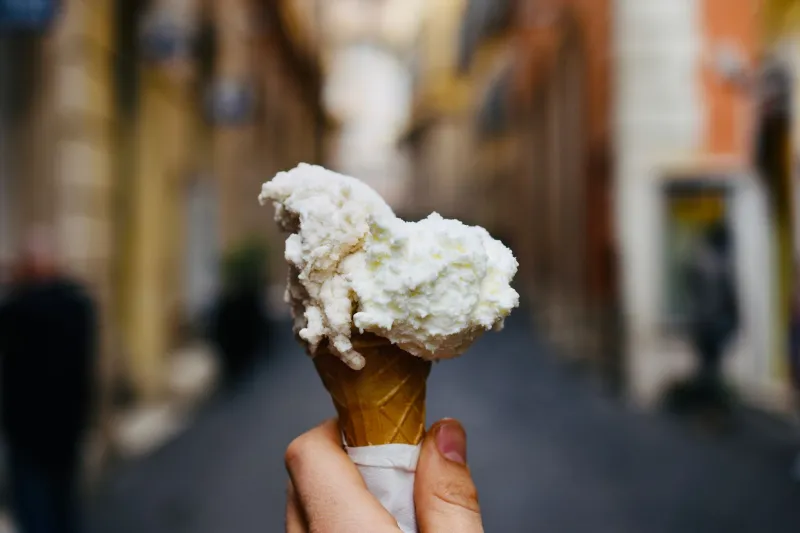
Soft-serve ice cream: You have roughly 3 to 5 minutes before the outer layer begins losing its signature swirl integrity and the whole thing starts weeping into your cone. Eat it. Eat it now. Don't negotiate.
Warm chocolate chip cookies: Peak squish — that gooey, barely-set center — lasts about 7 to 10 minutes out of the oven. After that, the starches firm up and you've got a perfectly acceptable cookie that is nonetheless a shadow of its former self.
Crème brûlée: That legendary crackle? The caramelized sugar shell starts absorbing humidity from the custard beneath it within 4 to 6 minutes of torching. By the time you've explained to your dinner date what crème brûlée is, you've already lost the crunch.
Mochi ice cream: Surprisingly forgiving at 10 to 15 minutes out of the freezer, but the window slams shut fast once the rice cake skin starts warming and the ice cream interior begins to melt outward. The squish becomes a slump.
Soufflé: Notorious for a reason. You have approximately 2 minutes — maybe 3 if you're lucky and your dining room isn't drafty — before structural collapse. Soufflés are the divas of the dessert world, and they will not be kept waiting.
Marco from New Jersey, unprompted, told us he eats his gelato within "90 seconds or it's disrespected." We respect Marco's commitment.
Room Temperature, Humidity, and the Plate Conspiracy
Here's where things get genuinely nerdy, and we mean that as the highest compliment.
The environment your dessert sits in dramatically affects how fast that perfect window closes. A warm, humid summer kitchen accelerates moisture migration and melting. A cold, dry restaurant with aggressive air conditioning can actually extend the crisp on a fried dessert while simultaneously drying out anything soft and pillowy.
And the plate? Yes, the plate matters. A pre-chilled ceramic plate can buy your ice cream dessert an extra minute or two by slowing heat transfer. A warm plate — beloved by fancy restaurants who think they're doing you a favor — will actively hasten your molten cake's decline. Heavy cast-iron skillets used for skillet cookies retain heat beautifully but can overcook the bottom layer, narrowing your window from the other direction.
"The plate is part of the recipe," says Chicago-based pastry chef Dominique Ferris, who designs her tasting menu desserts with specific serving vessel temperatures in mind. "If I'm serving something that needs to be eaten in three minutes, I want every element working in my favor, including what it's sitting on."
Humidity deserves its own moment of notoriety. Meringues and pavlovas — those cloud-like confections that are basically just air and hope — can go from crisp to weepy in under five minutes on a humid day. If you've ever watched a beautiful pavlova deflate at a summer backyard party, you've witnessed humidity winning. It always wins.
How to Actually Win Against Time
The good news: you're not powerless. A few simple strategies can help you catch your dessert at peak squish every single time.
Eat dessert first. Or at least order it at the right time. Many experienced diners ask for their dessert to be timed so it arrives when they're genuinely ready to eat it, not when the server decides the table needs to be turned.
Embrace the two-fork system. If you're sharing, pre-divide before the dessert hits the table. Every second spent negotiating portions is a second of peak texture you're not getting back.
Know your enemy. If you're eating something with a crackle or crunch component — like a brûléed top or a fried exterior — eat that part first. It's the most time-sensitive element on the plate.
For home bakers: Pull your cookies slightly before you think they're done. They'll continue cooking on the pan, and you'll hit that gooey window right as they cool enough to handle. It's science and strategy.
Stop taking pictures. We know. We know. But a photo of a slightly-past-peak dessert is just a document of a missed opportunity. Eat first. Describe it enthusiastically in the caption later.
The Bigger Lesson Here
There's something almost philosophical about the peak texture window. Desserts, like a lot of good things in life, don't wait around. They're at their best for a brief, specific moment, and if you're distracted or hesitant or busy trying to get the perfect angle, you'll miss it.
This is, frankly, the most compelling argument for being present that food science has ever produced.
So the next time someone tells you to slow down and savor your dessert, you can tell them — with full scientific backing — that sometimes savoring means moving faster. Sometimes joy has a countdown timer.
Now put down your phone and eat the cake.
It's been four minutes already.