Let It Fall Apart: The Case for Desserts That Make a Mess of Everything
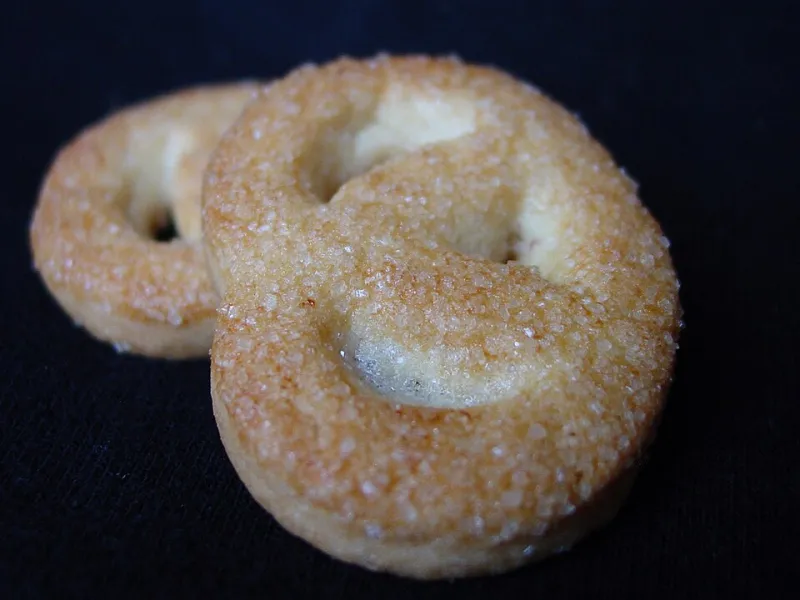
Photo: Manisha, CC BY-SA 2.0, via Wikimedia Commons
We need to talk about the soggy cookie.
Not the stale one forgotten in the back of the pantry — the intentional one. The cookie that has been dipped in a cold glass of milk for exactly as long as it takes to reach structural failure, then eaten in the two-second window between perfect saturation and complete collapse. That cookie is one of the great desserts of the world, and it has been slandered for long enough.
Somewhere in the last decade, dessert culture got a dress code. Everything must be composed, drizzled, and camera-ready. Desserts got architecture. They got negative space. They got so beautiful that eating them started to feel vaguely destructive. And in the process, we quietly demoted an entire family of desserts — the ones that fall apart, ooze, drip, and puddle — as if mess were a flaw instead of the whole point.
It is not a flaw. It is the point.
The Physics of Surrender
Consider the cobbler. A pie, at its best, is a negotiation: the crust holds, the filling behaves. A cobbler has made no such promises. You spoon into it and the biscuit top breaks apart, the fruit underneath slides in a syrupy landslide, and by the time it reaches the bowl it's less a dessert than a delicious accident. Add a scoop of vanilla and you've got the hot-cold, solid-liquid, crumbly-creamy collision that fancy restaurants spend deconstruction budgets trying to recreate. The cobbler did it first, on purpose, in a cast-iron skillet.
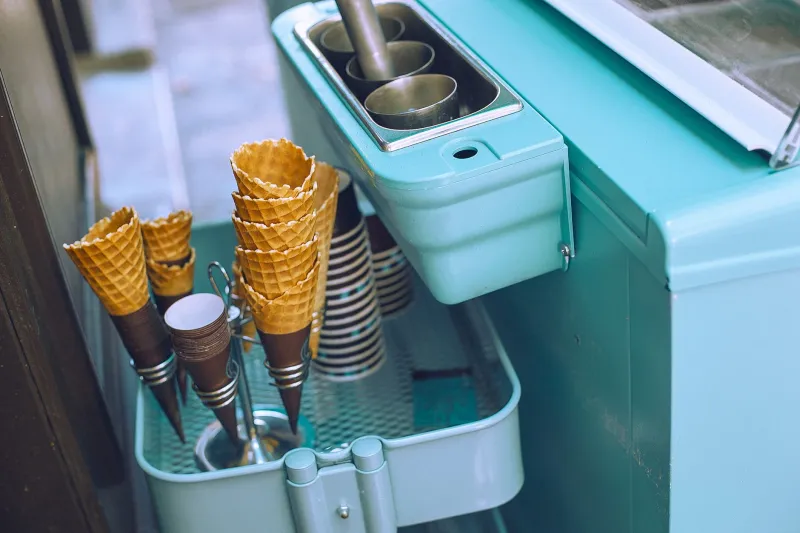
Or take the ice cream cone on a July sidewalk. Yes, it drips. That drip is a countdown clock, and it does something remarkable: it makes you pay attention. You cannot check your phone while eating a melting cone. You rotate, you lick, you strategize. A dessert that demands your full presence is a rare and precious thing, and we've been wiping it off our hands apologetically for a century.
A Brief History of Structural Failure
America has always loved a collapsing dessert — we just used to admit it. Banana pudding exists because somebody decided vanilla wafers should soften into something barely holding together. Tiramisu is literally named for its state of soggy uplift. The milk-and-cookies ritual has been passed down through generations of American childhoods like a secret handshake, and the Boston cream pie is a cake that gave up being a cake and became a pudding with ambition. None of these became classics despite falling apart. They became classics because of it.
The mess is a texture, and texture is flavor's underrated sibling. A crisp cookie that stays crisp is fine. A crisp cookie that goes soft at the moment of contact with milk is a story with a plot twist.
Eat It Like You Mean It
Here's my modest proposal: this summer, eat one dessert that makes a mess on purpose. Dunk the cookie past the point of safety. Let the sundae's hot fudge hit the counter. Serve the cobbler in bowls deep enough to catch the collapse. Skip the tweezers, skip the drizzle, skip the photo.
Dessert is the one meal where perfection was never the goal — joy was. And joy, it turns out, is a little drippy. It runs down your wrist on a hot day. It leaves crumbs on the table and a puddle of milk in the glass. It requires a napkin and, occasionally, a second napkin.
The picture-perfect desserts can keep their composure. The rest of us will be over here, spoon in hand, watching a cobbler give up beautifully — and wouldn't trade it for anything.