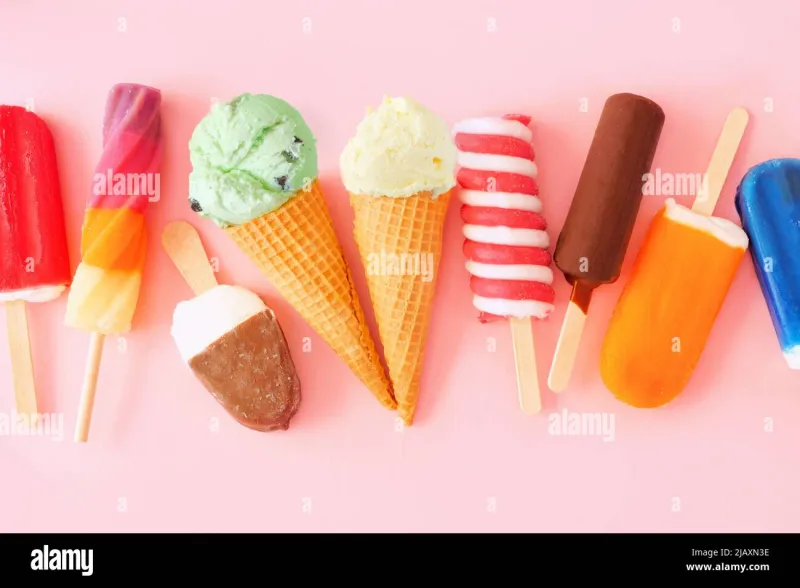
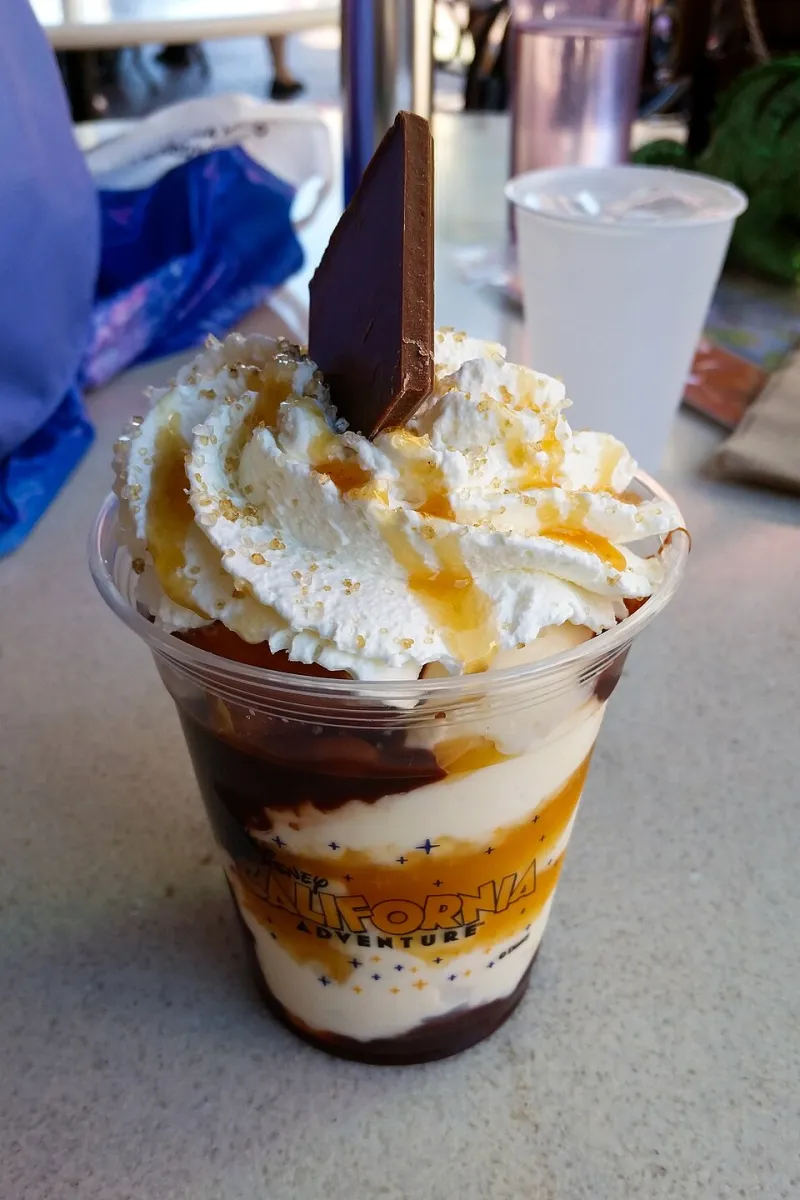
Gooey, Crunchy, Pillowy, Wow: How America's Ice Cream Shops Got Obsessed With How Your Treat Feels
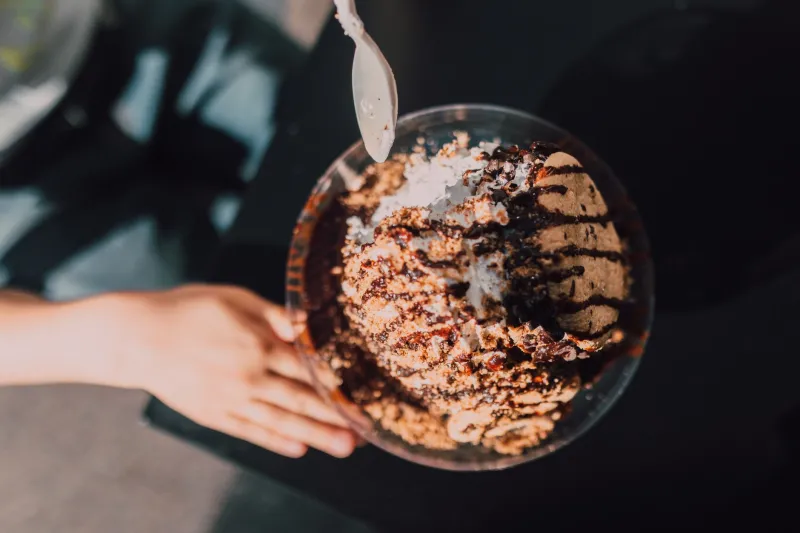
Close your eyes for a second. Imagine biting into an ice cream treat and hitting — unexpectedly — a warm, molten caramel center hiding inside a frozen shell. Or cracking through a paper-thin chocolate crust to find a cloud of whipped cream so soft it basically evaporates on your tongue. Did your brain just do a little happy somersault? Good. That's exactly the point.
Across the United States, ice cream shops are quietly — and sometimes very loudly — staging a texture revolution. Flavor is still important, sure. But the new arms race in frozen desserts is about sensation. Specifically, the way a treat feels as it moves from spoon to mouth to memory. Scientists have a word for this. Foodies have an Instagram filter for it. And Squishy Cream has a lot of feelings about it.
Your Brain on Squish (It's Having a Great Time)
Here's something wild: humans experience food through at least five distinct textural sensations — hardness, fracturability, chewiness, gumminess, and viscosity — and our brains process each one as its own little reward signal. Dr. Linda Bartoshuk, a flavor psychologist at the University of Florida, has long argued that texture is as emotionally loaded as taste itself. "Texture triggers memory and anticipation simultaneously," she's noted in food science literature. "It's the part of eating that surprises us."
And surprise, it turns out, is addictive.
Social media hasn't helped our collective self-control. The ASMR food genre — videos of people crunching, squishing, slurping, and stretching their way through meals — has racked up billions of views on TikTok and YouTube. When a mochi ice cream gets stretched dramatically on camera, or a freeze-dried candy shatters like glass, viewers lose their minds. Shops noticed. Menus changed.
"Three years ago, nobody was asking me about mouthfeel," laughs Marcus Tillman, owner of Glacé Lab, a specialty ice cream concept in Austin, Texas. "Now it's literally the first thing customers bring up. They'll say, 'I want something that has a crunch but then goes creamy.' They're describing architecture. They want engineered desserts."
The Contrast Principle: Why Opposites Attract (On Your Tongue)
Food scientists call it "textural contrast," and it's basically the reason you can't stop eating a chocolate-covered pretzel. The human palate is wired to find maximum pleasure in opposing sensations experienced simultaneously — soft paired with crunchy, cold against warm, chewy meeting brittle.
Ice cream is, structurally speaking, a texture scientist's dream canvas. It starts as a creamy, cold base that can be engineered to any firmness. From there, the possibilities for contrast are almost absurdly wide. Waffle cone bits that stay crispy. Brownie chunks that remain chewy even at sub-zero temperatures (a feat of food chemistry involving sugar concentration and fat content). Liquid nitrogen treatments that create shatteringly thin shells over soft interiors.
Rachel Osei, a food scientist who consults for several regional ice cream chains, explains it simply: "We're essentially tricking the brain into double the pleasure with one bite. The contrast creates a moment of delightful confusion — and your reward centers love confusion when it tastes this good."
Five Ice Cream Concepts Built Entirely Around Texture
So who's actually doing this well? We found five frozen dessert concepts that have built their entire identity around making your mouth feel things it didn't expect to feel.
1. The Lava Core Sundae (Glacé Lab, Austin, TX) This one starts with a scoop of vanilla bean ice cream that's been molded around a frozen sphere of salted caramel sauce. The whole thing is then dipped in a chocolate shell. The trick? The caramel is frozen solid during assembly but melts faster than the ice cream when it hits your mouth — so mid-bite, you get a sudden warm gush of liquid caramel inside the cold cream. Marcus Tillman calls it "the plot twist your mouth didn't see coming," and honestly, we're not arguing.
2. Mochi Crunch Rolls (Bingsu & Beyond, Los Angeles, CA) Borrowing from Japanese mochi tradition and Korean bingsu culture, this LA shop wraps premium ice cream in a thin layer of glutinous rice cake, then coats the whole thing in crushed corn flakes that have been candied with brown butter. The result is chewy, crunchy, creamy, and somehow also a little nutty — all at once. The line on weekends reportedly wraps around the block.
3. The Freeze-Dried Float (Cosmic Scoop, Denver, CO) Freeze-dried ice cream — that chalky, airy stuff you find at science museum gift shops — gets a serious glow-up here. Cosmic Scoop serves it crumbled over a traditional root beer float, where it slowly dissolves into the foam, creating a texture that shifts from crunchy to cloud-like over the course of about ninety seconds. "You have to eat it fast or you miss the crunch window," warns owner Priya Nandakumar. "That urgency is kind of the whole thing."
4. Burnt Honey Semifreddo with Honeycomb Shards (The Cold Shoulder, Nashville, TN) Semifreddos — Italy's answer to ice cream, technically a partially frozen mousse — are inherently softer and airier than traditional scoops. The Cold Shoulder leans all the way into that pillowy quality, serving their burnt honey version topped with hand-broken pieces of honeycomb candy that shatter dramatically on contact. The contrast between the nearly-moussey semifreddo and the glass-like candy is, according to at least forty-seven Yelp reviews, "genuinely emotional."
5. Liquid Nitrogen Taffy Ice Cream (Nitrogen Dreams, Chicago, IL) This one involves some genuine tableside theater. A scoop of ice cream is flash-frozen with liquid nitrogen until its outer layer becomes almost taffy-like in texture — pliable and stretchy rather than solid. Customers then pull and fold the treat themselves before eating it, which both warms it slightly (creating that contrast again) and changes the crystal structure of the ice cream, making it silkier. It's part dessert, part science experiment, and fully ridiculous in the best possible way.
What This Means for the Humble Ice Cream Shop
Not every shop has a liquid nitrogen tank or a food scientist on retainer, and that's okay. The texture trend isn't exclusively about high-tech wizardry. Sometimes it's as simple as switching to a waffle cone that's baked fresh every two hours so it never loses its snap, or adding a swirl of peanut butter that stays thick and chewy even when frozen.
The underlying message from every shop owner and scientist we spoke with was the same: customers want to feel something. Not just taste something. The dessert experience has expanded beyond the palate and into the whole body — the sound of a crack, the resistance of a chew, the sudden give of something soft.
"People come in here and they want a story," says Tillman. "Flavor tells them what they're eating. Texture tells them how they're eating it. And honestly? The how is becoming the whole point."
At Squishy Cream, we've always believed life is better with a little give to it — a little squish, a little bounce, a little unexpected softness in an otherwise crunchy world. Turns out, America's ice cream shops are finally catching up to what we already knew: the best bite is the one that surprises you.
Now go find your crunch window. You've got about ninety seconds.